
UNITED STATES
SECURITIES AND EXCHANGE COMMISSION
Washington, D.C. 20549
FORM
CURRENT REPORT
Pursuant to Section 13 OR 15(d)
of The Securities Exchange Act of 1934
Date of Report (Date of earliest event reported):
(Exact name of registrant as specified in its charter)
| (State or other jurisdiction of incorporation) |
(Commission File Number) |
(IRS Employer Identification No.) |
(Address of principal executive offices) (Zip Code)
(Registrant’s telephone number, including area code)
Check the appropriate box below if the Form 8-K filing is intended to simultaneously satisfy the filing obligation of the registrant under any of the following provisions:
| Written communications pursuant to Rule 425 under the Securities Act (17 CFR 230.425) |
| Soliciting material pursuant to Rule 14a-12 under the Exchange Act (17 CFR 240.14a-12) |
| Pre-commencement communications pursuant to Rule 14d-2(b) under the Exchange Act (17 CFR 240.14d-2(b)) |
| Pre-commencement communications pursuant to Rule 13e-4(c) under the Exchange Act (17 CFR 240.13e-4(c)) |
Securities registered pursuant to Section 12(b) of the Act:
| Title of each class |
Trading |
Name of each exchange | ||
Indicate by check mark whether the registrant is an emerging growth company as defined in Rule 405 of the Securities Act of 1933 (17 CFR 230.405) or Rule 12b-2 of the Securities Exchange Act of 1934 (17 CFR 240.12b-2).
Emerging growth company
If an emerging growth company, indicate by check mark if the registrant has elected not to use the extended transition period for complying with any new or revised financial accounting standards provided pursuant to Section 13(a) of the Exchange Act. ☐
| Item 8.01 | Other Events. |
On August 10, 2026, Tenax Therapeutics, Inc. (the “Company”) issued a press release announcing topline results from its Phase 3 LEVEL clinical trial of TNX-103 in patients with PH-HFpEF. As announced, the Company intends to host a conference call and live webcast at 8:00 a.m., ET on August 10, 2026 related to those results. A copy of the press release and the presentation the Company intends to display during the live webcast are attached hereto as Exhibit 99.1 and Exhibit 99.2, respectively.
| Item 9.01 | Financial Statements and Exhibits. |
(d) Exhibits.
| Exhibit 99.1 | Press release, dated August 10, 2026. | |
| Exhibit 99.2 | Investor presentation, dated August 10, 2026. | |
| Exhibit 104 | Cover Page Interactive Data File (embedded within the Inline XBRL document). | |
SIGNATURES
Pursuant to the requirements of the Securities Exchange Act of 1934, the registrant has duly caused this report to be signed on its behalf by the undersigned hereunto duly authorized.
| Date: August 10, 2026 | TENAX THERAPEUTICS, INC. | |||||
| By: | /s/ Christopher T. Giordano | |||||
| Name: | Christopher T. Giordano | |||||
| Title: | President and Chief Executive Officer | |||||
Exhibit 99.1

Tenax Therapeutics Announces Topline Results from Phase 3 LEVEL Clinical Trial of TNX-103 in Patients with PH-HFpEF
TNX-103 did not meet statistical significance on the primary endpoint of improvement in 6-minute walk
distance versus placebo
In prespecified exploratory analyses in the overall trial population, treatment with TNX-103 resulted in a
49% greater reduction in NT-proBNP compared to placebo (nominal p<0.0001) and a reduction of
3.5 mmHg in right ventricular systolic pressure compared to placebo (nominal p=0.0045)
In a prespecified analysis, patients with a baseline 6-minute walk distance below the trial median of 333 meters
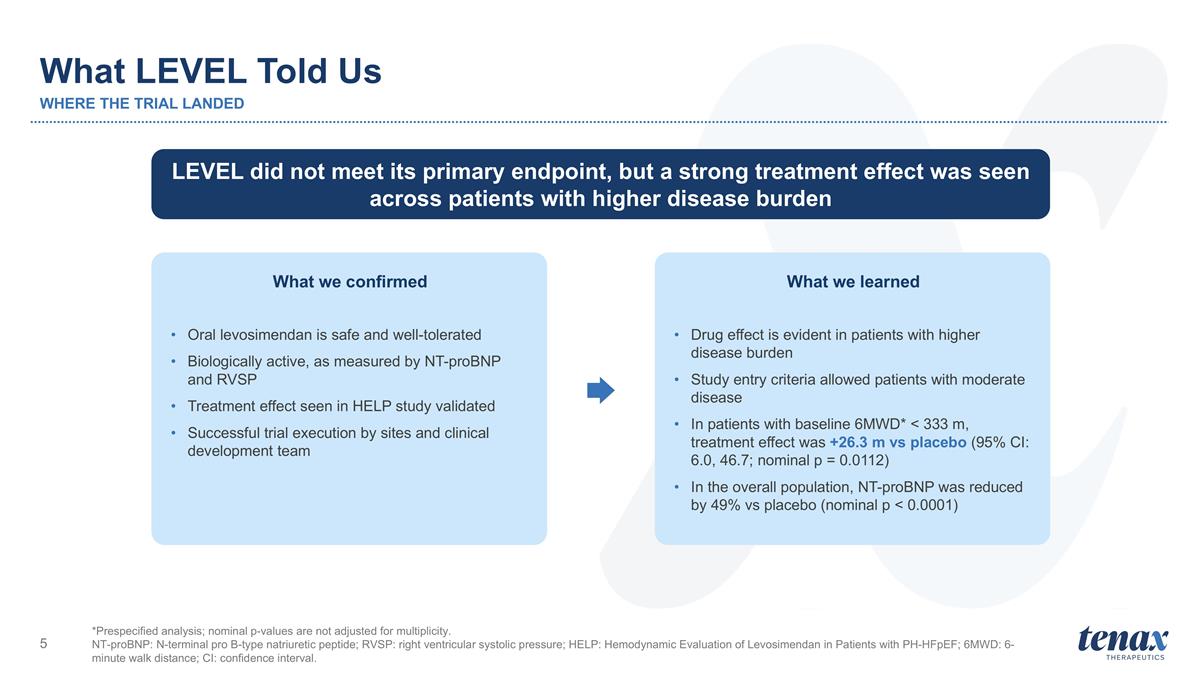
showed a 26.3-meter improvement compared to placebo (95% CI 6.0, 46.7; nominal p=0.0112)
Company to hold conference call and webcast today at 8:00 a.m. ET
CHAPEL HILL, N.C., August 10, 2026 (GLOBE NEWSWIRE) — Tenax Therapeutics, Inc. (Nasdaq: TENX) (“Tenax” or “Tenax Therapeutics” or the “Company”) today announced topline results from the Phase 3 LEVEL clinical trial evaluating TNX-103 (oral levosimendan) in patients with PH-HFpEF. LEVEL did not meet its primary endpoint of improvement in the 6-minute walk distance versus placebo, or the key secondary endpoint of improvement in Kansas City Cardiomyopathy Questionnaire total symptom score. Prespecified subgroup analyses identified a substantial beneficial treatment effect in patients with greater disease burden, supported by clinically meaningful changes in predefined cardiac biomarker and pulmonary hemodynamic measures across the overall trial population. TNX-103 was generally safe and well tolerated, with serious adverse events and adjudicated clinical worsening events balanced across treatment arms. Based on the results of the LEVEL trial, Tenax intends to request a Type C Meeting with the U.S. Food and Drug Administration (FDA) to discuss revisions to the ongoing registrational development of TNX-103 for the treatment of PH-HFpEF.
“Having reviewed the available trial results, I am encouraged we have a clear path forward. The prespecified subgroup analyses demonstrate that there is a meaningful beneficial treatment effect of TNX-103 in patients with more disease burden, which is the patient population with the greatest unmet need. Our entry criteria enrolled a broad population, including too many patients with less severe disease. In a prespecified subgroup analysis of patients who walked less than the trial median of 333 meters at baseline, the improvement in the levosimendan group compared to placebo was 26.3 meters (95% confidence interval 6.0, 46.7 meters), demonstrating a strong result in a more characteristic HFpEF population that needs this therapy. This association is corroborated by a 49% decrease in NT-proBNP compared to placebo (p=0.0001, nominal) and a clinically meaningful reduction in right ventricular systolic pressure of 3.5 mmHg, compared to placebo (p=0.0045, nominal). Taken together, these data support TNX-103’s substantial cardiovascular and pulmonary biologic effects on reducing the severity of disease in patients with pulmonary hypertension due to HFpEF,” said Stuart Rich, MD, Chief Medical Officer of Tenax Therapeutics.

“Although the result in the overall population was not statistically significant, the LEVEL trial is an important advancement for patients with pulmonary hypertension due to HFpEF, a disease that still has no approved therapy. What stands out to me is the marked reduction in NT-proBNP, the most established marker of cardiac wall stress and prognosis in heart failure, which was reduced by an extraordinary 49% relative to placebo. The treatment effect on NT-proBNP is larger than any prior HFpEF trial, and it was accompanied by improvements in multiple echocardiographic measures of cardiac structure and function, spanning right ventricular systolic function, left atrial function, left ventricular mass and diastolic filling, and pulmonary pressure. In my opinion, a drug that lowers wall stress and modifies cardiac structure and function this robustly is likely to be disease-modifying. The improvement in exercise capacity was concentrated in patients with lower baseline walk distance and more advanced disease, which is consistent with a therapy that may improve long-term outcomes in those patients who need it most,” said Sanjiv Shah, MD, Director of the HFpEF Program at Northwestern University Feinberg School of Medicine and LEVEL’s Principal Investigator.
Key Results from LEVEL
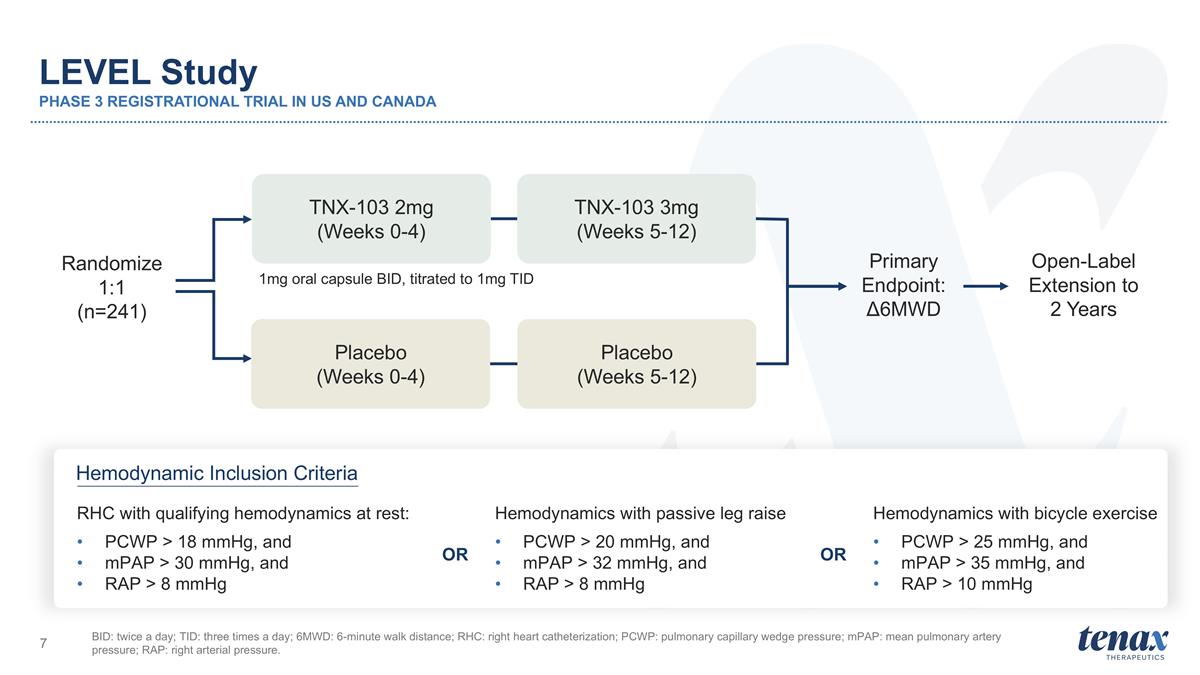
LEVEL (NCT05983250) was a registrational Phase 3, double-blind, randomized, placebo-controlled clinical trial evaluating TNX-103 in patients with PH-HFpEF across 41 sites in the United States and Canada. 241 patients were randomized to TNX-103 1 mg twice daily, titrated to 1 mg three times daily starting at Week 5 as tolerated, versus placebo. The primary endpoint was change in 6-minute walk distance (6MWD) at Week 12, and a key secondary endpoint was change in Kansas City Cardiomyopathy Questionnaire total symptom score (KCCQ-TSS). N-terminal pro-B natriuretic peptide (NT-proBNP), a measure of cardiac wall stress, and right ventricular systolic pressure (RVSP) by echocardiography, were exploratory endpoints. Patients completing the double-blind period were eligible to enter an open-label extension of up to two years, which is ongoing.
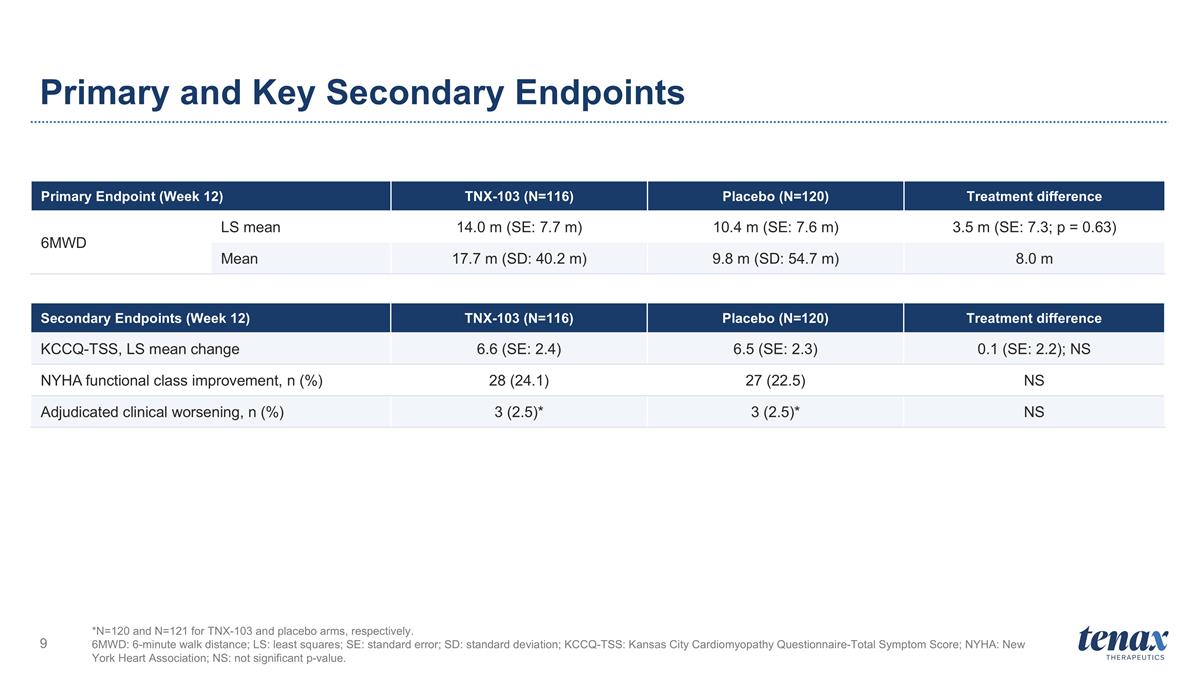
| • | 6MWD at Week 12: least-squares means +14.0 meters (SE 7.7) on TNX-103 (n=116) versus +10.4 meters (SE 7.6) on placebo (n=120); least-squares mean difference 3.5 meters (SE 7.3), p=0.63. The primary endpoint was not met. Estimates are from a mixed model for repeated measures in all 241 randomized patients (120 TNX-103, 121 placebo), adjusted for baseline 6MWD and randomization strata with missing Week 12 values handled by the prespecified estimand strategies. |
| • | Among patients with an observed Week 12 walk test, the mean change from baseline was +17.7 meters (SD 40.2) on TNX-103 (n=116) versus +9.8 meters (SD 54.7) on placebo (n=120), an unadjusted difference of +8.0 meters. |
| • | KCCQ-TSS at Week 12: least-squares mean +6.6 (SE 2.4) on TNX-103 (n=114) versus +6.5 (SE 2.3) on placebo (n=120); least-squares mean difference 0.1 points (SE 2.2). |
Prespecified Analyses of Primary Endpoint
| • | Baseline 6MWD below the trial median of 333 meters (n=119): least-squares mean treatment difference +26.3 meters (95% confidence interval 6.0, 46.7), nominal p=0.0112. On average, patients on TNX-103 in this sub-group improved 26.7 meters while patients on placebo declined 2.6 meters. |
| • | Patients aged 71 years and older: least squares mean treatment difference +27.1 meters (95% confidence interval 9.9, 44.4), nominal p=0.0021. In the oldest tertile (>74 years): +37.6 meters (95% confidence interval 14.7, 60.5), nominal p=0.0013. Mean age was 71.8 years among patients walking less than 333 meters at baseline, versus 66.5 years among those at or above that threshold. |
Prespecified Exploratory Biomarker and Hemodynamic Analyses
| • | NT-proBNP (overall population): geometric least-squares mean ratio of 0.51 versus placebo (95% confidence interval 0.43, 0.60), nominal p<0.0001, corresponding to a 49% reduction compared to placebo. On average, the change from baseline was -39.1 pmol/L (SD 78.6) on TNX-103 (n=116) versus +13.7 pmol/L (SD 81.0) on placebo (n=120). |
| • | RVSP by echocardiography (overall population): placebo-controlled reduction of 3.5 mmHg on TNX-103 (95% confidence interval -6.01, -1.10), nominal p=0.0045. In patients with a baseline 6MWD below 333 meters the reduction was 4.9 mmHg (nominal p=0.009). |
Post hoc Analysis of Primary Endpoint
| • | By baseline 6MWD quartile, the treatment difference diminished consistently as baseline exercise capacity increased: +32.4 meter improvement in the first quartile (≤264 meters), +21.4 meters in the second (>264–333 meters), -10.7 meters in the third (>333–384 meters) and -27.3 meters in the fourth (>384 meters). |
Safety
TNX-103 was generally safe and well-tolerated in the LEVEL trial, and no new safety signals were observed.
| • | Adverse events were reported in 86.7% of patients on TNX-103 versus 71.9% on placebo. Treatment-related adverse events were reported in 38.3% of patients in the treatment group versus 17.4% on placebo. |
| • | Serious adverse events were balanced across arms, at 10.8% on TNX-103 and 10.7% on placebo. Adverse events of special interest occurred in 9.2% versus 5.8%. |
The biomarker and hemodynamic analyses described above were prespecified in the statistical analysis plan; the quartile analysis was post hoc. Nominal p-values are not adjusted for multiplicity and these analyses do not establish efficacy. Multivariable analyses are ongoing.
“We believe the data from LEVEL provide new information that will guide us toward approval. Our mission is to bring the first approved therapy to patients with PH-HFpEF. The data from LEVEL provide us with a key insight into the population that exhibits the treatment effect of TNX-103. These trial results also confirm we had the appropriate dosing in HFpEF patients, illustrate a very favorable overall pharmacokinetic profile of oral levosimendan, and demonstrate the safety of oral levosimendan. Based on the results from LEVEL, we are moving quickly to strengthen the development plan for TNX-103 to generate data we believe will support regulatory submissions,” said Chris Giordano, President and Chief Executive Officer of Tenax Therapeutics.
Tenax intends to request a Type C meeting with the FDA to present the complete LEVEL dataset together with the Company’s recommendations, and in parallel to seek scientific consultation from the European Medicines Agency. The Company intends to enrich the study population to ensure a robust treatment effect, as demonstrated in the subgroup findings observed in LEVEL. We will discuss an enrichment strategy in the Type C meeting, along with the FDA’s previous agreement that a single Phase 3 trial with a p-value of 0.01 would be sufficient for an NDA submission for TNX-103 for the treatment of PH-HFpEF.
Full results from LEVEL will be presented in a Late-Breaking Clinical Science session at the European Society of Cardiology (ESC) Congress 2026, being held August 28-31 in Munich, Germany.
Conference Call and Webcast
Tenax will host a conference call and live webcast today, Monday, August 10, 2026 at 8:00 a.m. ET to discuss the topline LEVEL results. Members of the management team will be joined by Sanjiv Shah, MD, Director of the HFpEF Program at Northwestern University Feinberg School of Medicine and LEVEL’s Principal Investigator.
To participate in the conference call, please dial one of the following numbers and ask to join the Tenax Therapeutics call:
| • |
+1-888-349-0106 for callers in the United States |
| • |
+1-412-902-0131 for international callers |
The live and archived webcast of the call will be accessible from the Company’s investor relations webpage.
About Levosimendan (TNX-101, TNX-102, TNX-103)
Levosimendan is a novel, first-in-class K-ATP channel activator/calcium sensitizer currently being evaluated to treat pulmonary hypertension (PH) associated with heart failure with preserved ejection fraction (PH-HFpEF). Levosimendan was first developed for intravenous use in hospitalized patients with acutely decompensated heart failure, and it has received market authorization in 60 countries in this indication, although it is not available in the United States or Canada. Tenax’s Phase 2 HELP study, including its open-label extension stage, demonstrated the potential of IV (TNX-101) and oral (TNX-103) levosimendan to bring durable improvements in exercise capacity and quality of life, as well as other clinical assessments, in patients with PH-HFpEF. TNX-103 (oral levosimendan) is currently being evaluated in LEVEL-2, a Phase 3, double-blind, randomized, placebo-controlled clinical trial in patients with PH-HFpEF.
About Tenax Therapeutics
Tenax Therapeutics, Inc. is a Phase 3, development-stage pharmaceutical company using clinical insights to develop novel cardiopulmonary therapies. The Company owns global rights to develop and commercialize levosimendan, which it is developing for the treatment of PH-HFpEF, the most prevalent form of pulmonary hypertension globally, for which no product has been approved to date. For more information, visit www.tenaxthera.com. Tenax Therapeutics’ common stock is listed on The Nasdaq Stock Market LLC under the symbol “TENX”.
Caution Regarding Forward-Looking Statements
Except for historical information, all of the statements, expectations and assumptions contained in this press release are forward-looking statements. These forward-looking statements may include information concerning our clinical data, our regulatory plans, our future trial designs, and our possible or projected future business operations. Actual results might differ materially from those explicit or implicit in the forward-looking statements. Important factors that could cause actual results to differ materially include: risks of our clinical trials, including, but not limited to, the results of such trials, and the design, timing, delays, costs, location, initiation, and enrollment of any future trials; any delays in regulatory review and approval of product candidates in development; risks regarding the formulation, production, marketing, customer acceptance and clinical utility of our product candidates; risks related to our business strategy, including the prioritization and development of product candidates; reliance on third parties, including Orion Corporation, our manufacturers and CROs; our estimates regarding the potential market opportunity for our product candidates; cash usage and runway may not be within management’s expected ranges; the potential advantages of our product candidates; our competitive position; our ability to maintain our culture and recruit, integrate and retain qualified personnel and advisors, including our executives and members of our Board of Directors; risks associated with our cash needs; intellectual property risks; volatility and uncertainty in the global economy and financial markets in light of unexpected changes in tariffs and the possibility of pandemics, global financial and geopolitical uncertainties, including in the Middle East and the Russian invasion of and war against the country of Ukraine; changes in legal, regulatory and legislative environments in the markets in which we operate, and the impact of these changes on our ability to obtain regulatory approval for our products; and other risks and uncertainties set forth from time to time in our SEC filings. Tenax Therapeutics assumes no obligation and does not intend to update these forward-looking statements except as required by law.
Contact:
Investor and Media:
Argot Partners
tenax@argotpartners.com
LEVEL Clinical Trial Topline Results August 10, 2026 Exhibit 99.2
Today’s Agenda Opening RemarksChris Giordano President and CEO LEVEL Topline ResultsStuart Rich, MD CMO KOL ThoughtsSanjiv Shah, MD Northwestern University Path ForwardChris Giordano CEO Q&AChris Giordano President and CEO Stuart Rich, MD CMO Doug Randall CBO Tom Staab CFO Sanjiv Shah, MD Northwestern University
Forward-Looking Statements Disclaimers Except for historical information, all of the statements, expectations and assumptions contained in this presentation are forward-looking statements. These forward-looking statements may include information concerning our clinical data, our regulatory plans, our future trial designs, and our possible or projected future business operations. Actual results might differ materially from those explicit or implicit in the forward-looking statements. Important factors that could cause actual results to differ materially include: risks of our clinical trials, including, but not limited to, the results of such trials, and the design, timing, delays, costs, location, initiation, and enrollment of any future trials; any delays in regulatory review and approval of product candidates in development; risks regarding the formulation, production, marketing, customer acceptance and clinical utility of our product candidates; risks related to our business strategy, including the prioritization and development of product candidates; reliance on third parties, including Orion Corporation, our manufacturers and CROs; our estimates regarding the potential market opportunity for our product candidates; cash usage and runway may not be within management’s expected ranges; the potential advantages of our product candidates; our competitive position; our ability to maintain our culture and recruit, integrate and retain qualified personnel and advisors, including our executives and members of our Board of Directors; risks associated with our cash needs; intellectual property risks; volatility and uncertainty in the global economy and financial markets in light of unexpected changes in tariffs and the possibility of pandemics, global financial and geopolitical uncertainties, including in the Middle East and the Russian invasion of and war against the country of Ukraine; changes in legal, regulatory and legislative environments in the markets in which we operate and the impact of these changes on our ability to obtain regulatory approval for our products; and other risks and uncertainties set forth from time to time in our SEC filings. Tenax Therapeutics assumes no obligation and does not intend to update these forward-looking statements except as required by law.

Introduction Chris Giordano President and CEO, Tenax Therapeutics
What LEVEL Told Us WHERE THE TRIAL LANDED *Prespecified analysis; nominal p-values are not adjusted for multiplicity. NT-proBNP: N-terminal pro B-type natriuretic peptide; RVSP: right ventricular systolic pressure; HELP: Hemodynamic Evaluation of Levosimendan in Patients with PH-HFpEF; 6MWD: 6-minute walk distance; CI: confidence interval. LEVEL did not meet its primary endpoint, but a strong treatment effect was seen across patients with higher disease burden What we confirmed Oral levosimendan is safe and well-tolerated Biologically active, as measured by NT-proBNP and RVSP Treatment effect seen in HELP study validated Successful trial execution by sites and clinical development team What we learned Drug effect is evident in patients with higher disease burden Study entry criteria allowed patients with moderate disease In patients with baseline 6MWD* < 333 m, treatment effect was +26.3 m vs placebo (95% CI: 6.0, 46.7; nominal p = 0.0112) In the overall population, NT-proBNP was reduced by 49% vs placebo (nominal p < 0.0001)
Phase 3 LEVEL Clinical Trial Topline Results Stuart Rich, MD CMO, Tenax Therapeutics
LEVEL Study PHASE 3 REGISTRATIONAL TRIAL IN US AND CANADA BID: twice a day; TID: three times a day; 6MWD: 6-minute walk distance; RHC: right heart catheterization; PCWP: pulmonary capillary wedge pressure; mPAP: mean pulmonary artery pressure; RAP: right arterial pressure. 1mg oral capsule BID, titrated to 1mg TID Open-Label Extension to 2 Years TNX-103 2mg (Weeks 0-4) TNX-103 3mg (Weeks 5-12) Placebo (Weeks 0-4) Placebo (Weeks 5-12) Primary Endpoint: Δ6MWD Hemodynamic Inclusion Criteria Randomize 1:1 (n=241) RHC with qualifying hemodynamics at rest: PCWP > 18 mmHg, and mPAP > 30 mmHg, and RAP > 8 mmHg Hemodynamics with passive leg raise PCWP > 20 mmHg, and mPAP > 32 mmHg, and RAP > 8 mmHg Hemodynamics with bicycle exercise PCWP > 25 mmHg, and mPAP > 35 mmHg, and RAP > 10 mmHg OR OR
Patient Demographics BASELINE CHARACTERISTICS WERE BROADLY BALANCED ACROSS TREATMENT ARMS BMI: body mass index; 6MWD: 6-minute walk distance; eGFR: estimated glomerular filtration rate; NYHA: New York Heart Association. Characteristic TNX-103 (N=120) Placebo (N=121) Overall (N=241) Age, years, mean (SD) 69.8 (9.7) 68.5 (10.1) 69.1 (9.9) Female, n (%) 86 (71.7) 86 (71.1) 172 (71.4) BMI, kg/m², mean (SD) 33.2 (5.8) 32.9 (6.6) 33.1 (6.2) eGFR <60 mL/min/1.73 m², n (%) 33 (27.5) 44 (36.4) 77 (32.0) SGLT2 inhibitor use, n (%) 80 (66.7) 93 (76.9) 173 (71.8) GLP-1 receptor agonist use, n (%) 36 (30.0) 32 (26.4) 68 (28.2) MRA use, n (%) 68 (56.7) 76 (62.8) 144 (59.8) Diuretic use, n (%) 103 (85.8) 106 (87.6) 209 (86.7) Baseline 6MWD, m, mean (SD) 316.5 (87.3) 322.5 (83.5) 319.5 (85.3) Characteristic TNX-103 (N=120) Placebo (N=121) Overall (N=241) NYHA Functional Class II, n (%) 53 (44.2) 55 (45.5) 108 (44.8) NYHA Functional Class III, n (%) 67 (55.8) 64 (52.9) 131 (54.4) NYHA Functional Class IV, n (%) 0 2 (1.7) 2 (0.8) Qualified at rest, n (%) 46 (38.3) 51 (42.1) 97 (40.2) Qualified on provocation, n (%) 74 (61.7) 70 (57.9) 144 (59.8) Slow acetylator, n (%) 66 (55.0) 54 (44.6) 120 (49.8) Intermediate acetylator, n (%) 33 (27.5) 48 (39.7) 81 (33.6) Rapid acetylator, n (%) 14 (11.7) 7 (5.8) 21 (8.7) Acetylator status unknown, n (%) 7 (5.8) 12 (9.9) 19 (7.9)
Primary and Key Secondary Endpoints *N=120 and N=121 for TNX-103 and placebo arms, respectively. 6MWD: 6-minute walk distance; LS: least squares; SE: standard error; SD: standard deviation; KCCQ-TSS: Kansas City Cardiomyopathy Questionnaire-Total Symptom Score; NYHA: New York Heart Association; NS: not significant p-value. Primary Endpoint (Week 12) TNX-103 (N=116) Placebo (N=120) Treatment difference 6MWD LS mean 14.0 m (SE: 7.7 m) 10.4 m (SE: 7.6 m) 3.5 m (SE: 7.3; p = 0.63) Mean 17.7 m (SD: 40.2 m) 9.8 m (SD: 54.7 m) 8.0 m Secondary Endpoints (Week 12) TNX-103 (N=116) Placebo (N=120) Treatment difference KCCQ-TSS, LS mean change 6.6 (SE: 2.4) 6.5 (SE: 2.3) 0.1 (SE: 2.2); NS NYHA functional class improvement, n (%) 28 (24.1) 27 (22.5) NS Adjudicated clinical worsening, n (%) 3 (2.5)* 3 (2.5)* NS
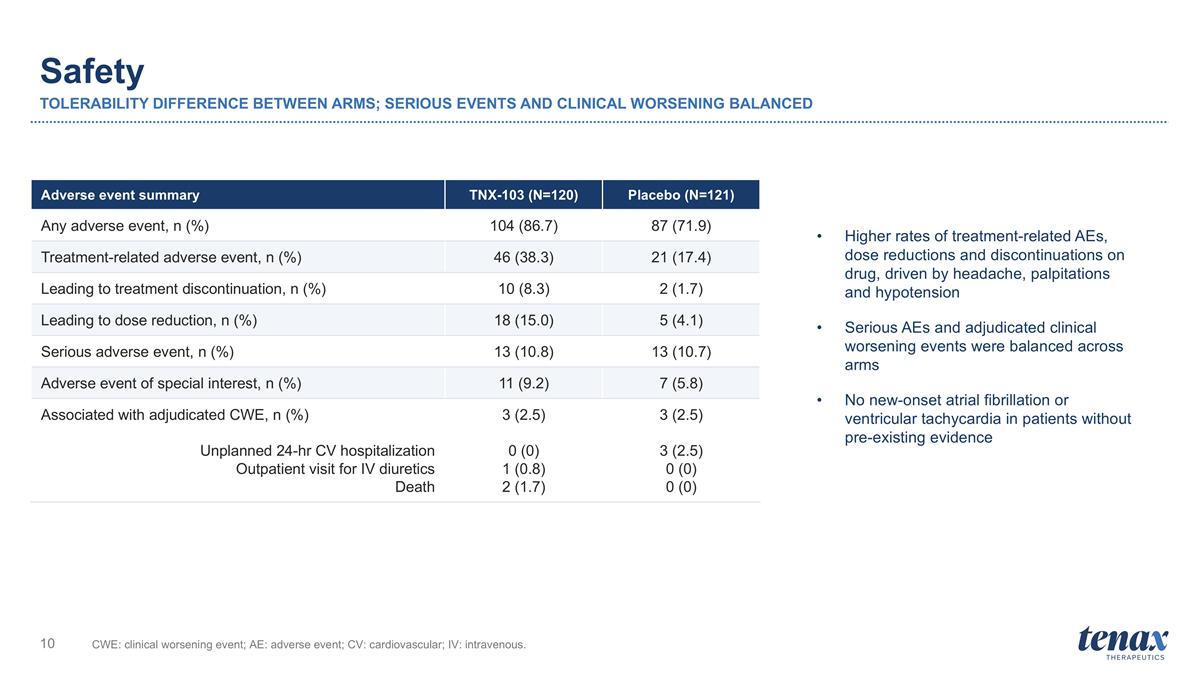
Safety TOLERABILITY DIFFERENCE BETWEEN ARMS; SERIOUS EVENTS AND CLINICAL WORSENING BALANCED CWE: clinical worsening event; AE: adverse event; CV: cardiovascular; IV: intravenous. Adverse event summary TNX-103 (N=120) Placebo (N=121) Any adverse event, n (%) 104 (86.7) 87 (71.9) Treatment-related adverse event, n (%) 46 (38.3) 21 (17.4) Leading to treatment discontinuation, n (%) 10 (8.3) 2 (1.7) Leading to dose reduction, n (%) 18 (15.0) 5 (4.1) Serious adverse event, n (%) 13 (10.8) 13 (10.7) Adverse event of special interest, n (%) 11 (9.2) 7 (5.8) Associated with adjudicated CWE, n (%) Unplanned 24-hr CV hospitalization Outpatient visit for IV diuretics Death 3 (2.5) 0 (0) 1 (0.8) 2 (1.7) 3 (2.5) 3 (2.5) 0 (0) 0 (0) Higher rates of treatment-related AEs, dose reductions and discontinuations on drug, driven by headache, palpitations and hypotension Serious AEs and adjudicated clinical worsening events were balanced across arms No new-onset atrial fibrillation or ventricular tachycardia in patients without pre-existing evidence
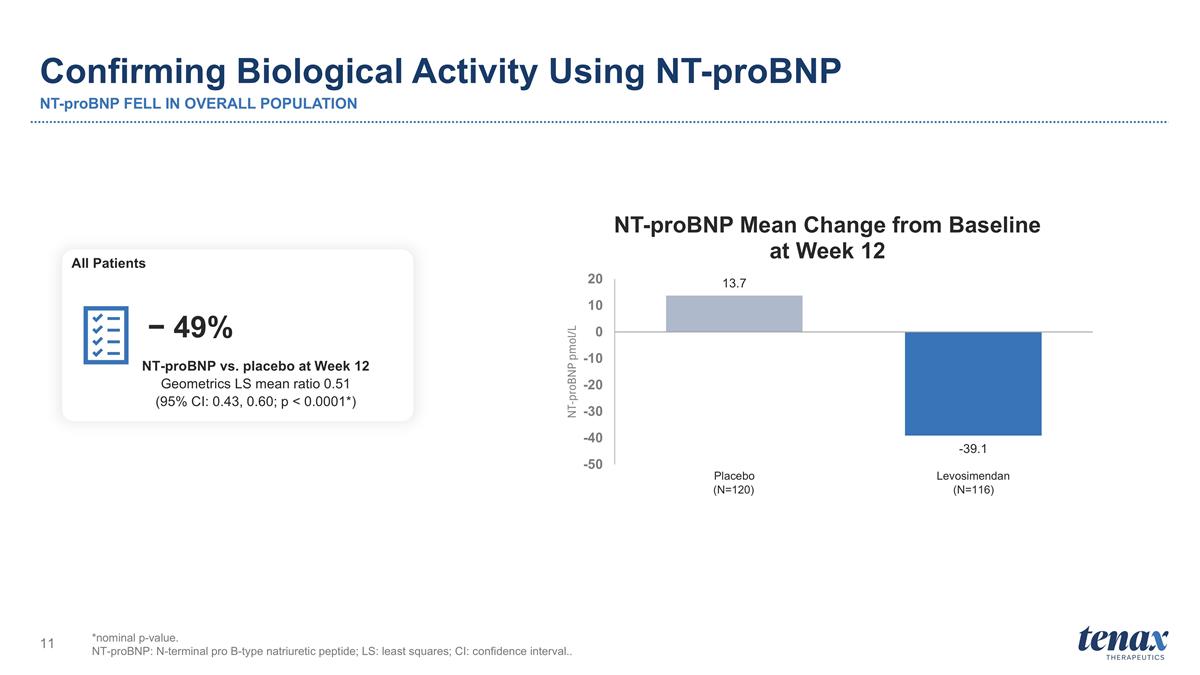
Confirming Biological Activity Using NT-proBNP NT-proBNP FELL IN OVERALL POPULATION *nominal p-value. NT-proBNP: N-terminal pro B-type natriuretic peptide; LS: least squares; CI: confidence interval.. NT-proBNP vs. placebo at Week 12 Geometrics LS mean ratio 0.51 (95% CI: 0.43, 0.60; p < 0.0001*) − 49% All Patients (N=120) (N=116)
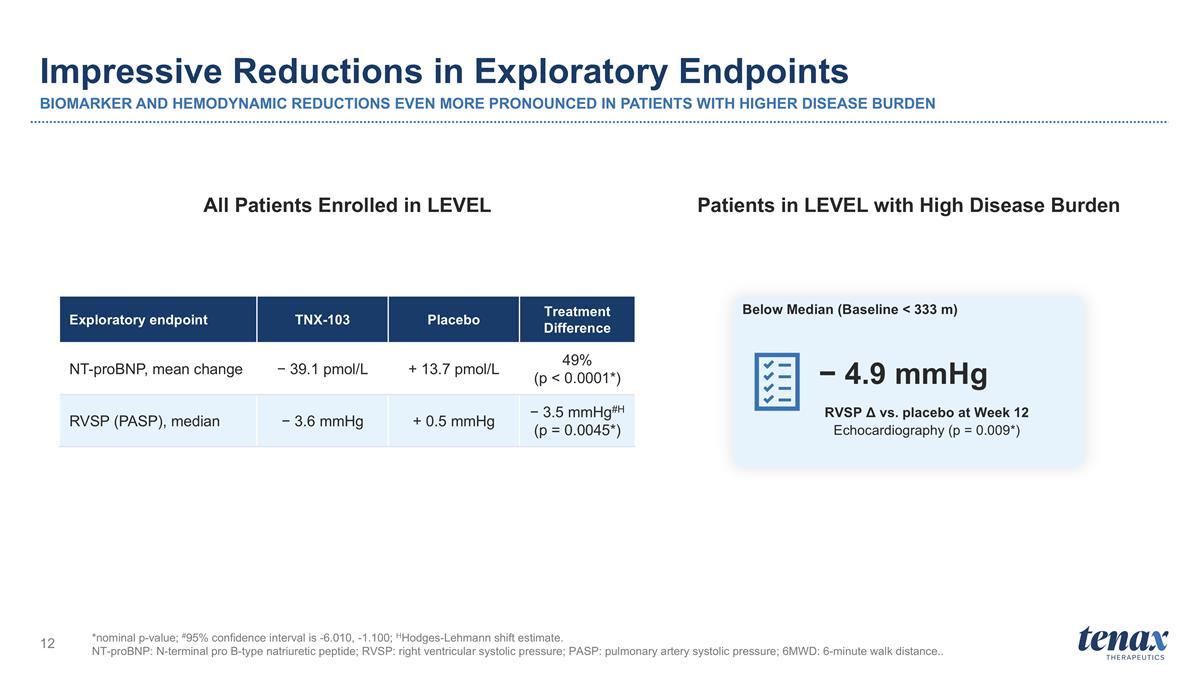
Impressive Reductions in Exploratory Endpoints BIOMARKER AND HEMODYNAMIC REDUCTIONS EVEN MORE PRONOUNCED IN PATIENTS WITH HIGHER DISEASE BURDEN *nominal p-value; #95% confidence interval is -6.010, -1.100; HHodges-Lehmann shift estimate. NT-proBNP: N-terminal pro B-type natriuretic peptide; RVSP: right ventricular systolic pressure; PASP: pulmonary artery systolic pressure; 6MWD: 6-minute walk distance.. Exploratory endpoint TNX-103 Placebo Treatment Difference NT-proBNP, mean change − 39.1 pmol/L + 13.7 pmol/L 49% (p < 0.0001*) RVSP (PASP), median − 3.6 mmHg + 0.5 mmHg − 3.5 mmHg#H (p = 0.0045*) RVSP Δ vs. placebo at Week 12 Echocardiography (p = 0.009*) − 4.9 mmHg All Patients Enrolled in LEVEL Patients in LEVEL with High Disease Burden Below Median (Baseline < 333 m)
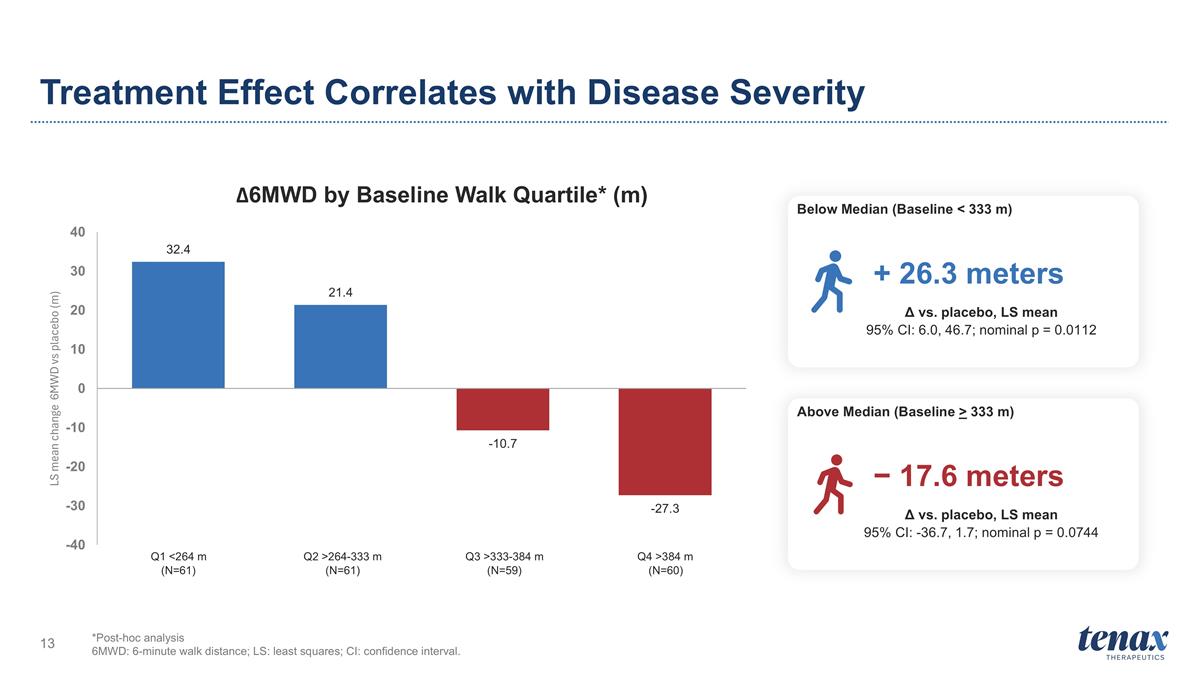
Treatment Effect Correlates with Disease Severity *Post-hoc analysis 6MWD: 6-minute walk distance; LS: least squares; CI: confidence interval. Δ vs. placebo, LS mean 95% CI: 6.0, 46.7; nominal p = 0.0112 + 26.3 meters Δ vs. placebo, LS mean 95% CI: -36.7, 1.7; nominal p = 0.0744 − 17.6 meters Below Median (Baseline < 333 m) Above Median (Baseline > 333 m) Q1 <264 m Q2 >264-333 m Q3 >333-384 m Q4 >384 m (N=61) (N=61) (N=59) (N=60)
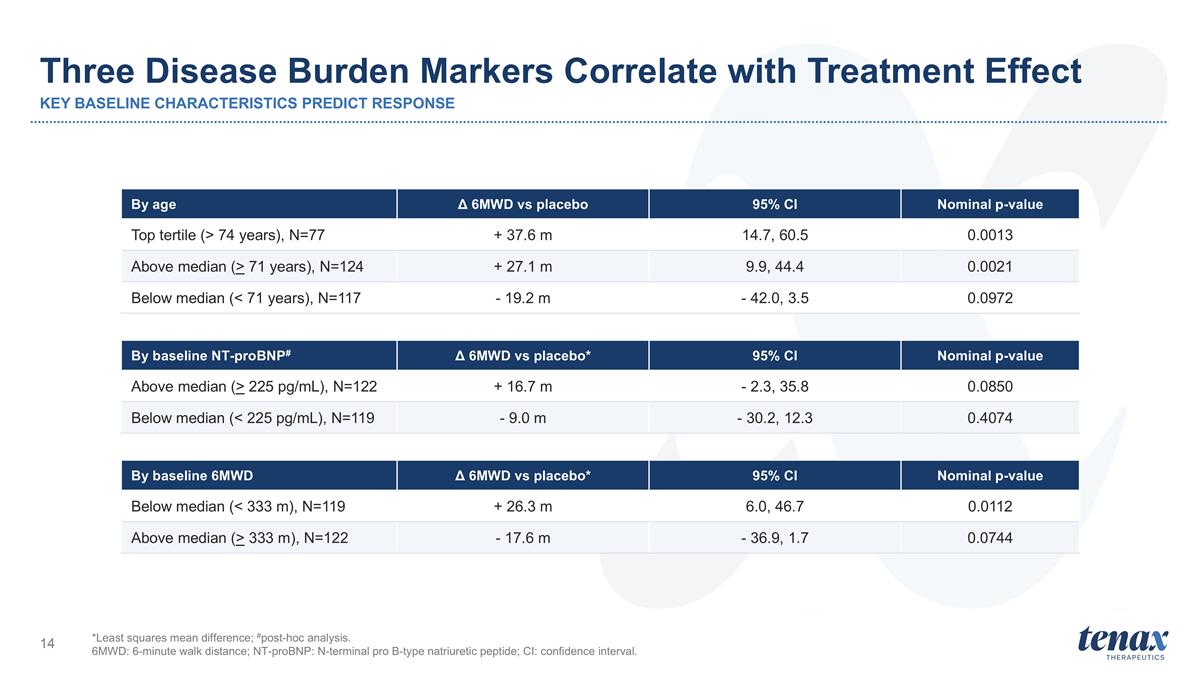
Three Disease Burden Markers Correlate with Treatment Effect KEY BASELINE CHARACTERISTICS PREDICT RESPONSE By age Δ 6MWD vs placebo 95% CI Nominal p-value Top tertile (> 74 years), N=77 + 37.6 m 14.7, 60.5 0.0013 Above median (> 71 years), N=124 + 27.1 m 9.9, 44.4 0.0021 Below median (< 71 years), N=117 - 19.2 m - 42.0, 3.5 0.0972 *Least squares mean difference; #post-hoc analysis. 6MWD: 6-minute walk distance; NT-proBNP: N-terminal pro B-type natriuretic peptide; CI: confidence interval. By baseline NT-proBNP# Δ 6MWD vs placebo* 95% CI Nominal p-value Above median (> 225 pg/mL), N=122 + 16.7 m - 2.3, 35.8 0.0850 Below median (< 225 pg/mL), N=119 - 9.0 m - 30.2, 12.3 0.4074 By baseline 6MWD Δ 6MWD vs placebo* 95% CI Nominal p-value Below median (< 333 m), N=119 + 26.3 m 6.0, 46.7 0.0112 Above median (> 333 m), N=122 - 17.6 m - 36.9, 1.7 0.0744
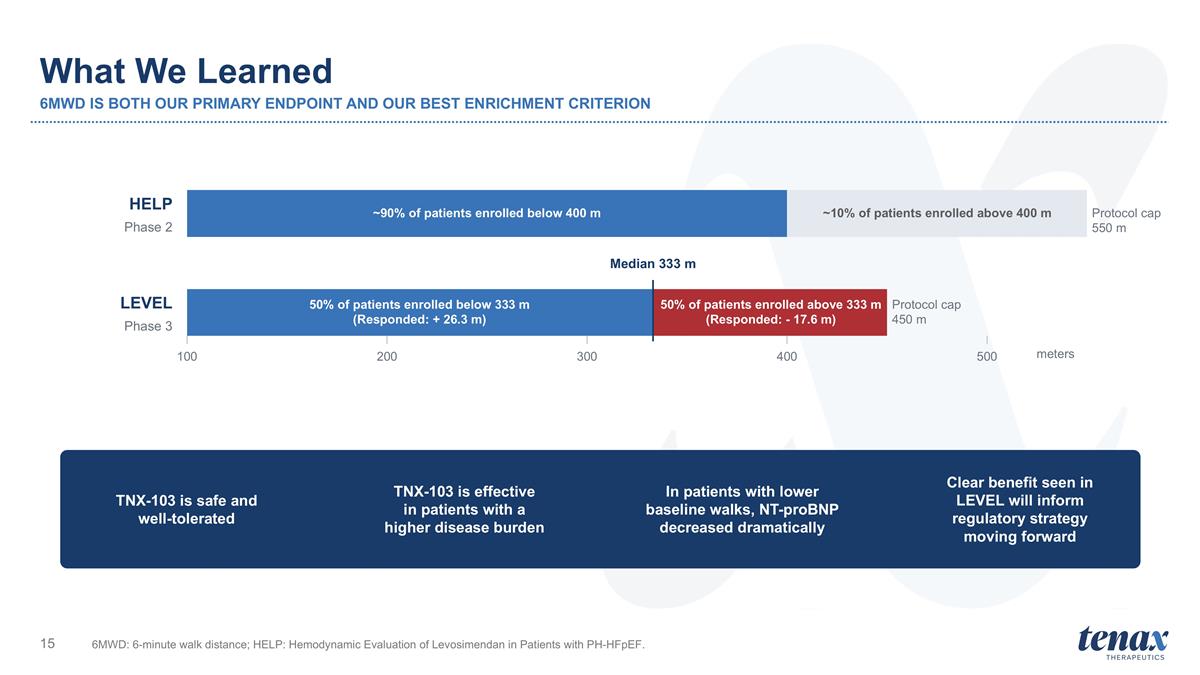
What We Learned 6MWD IS BOTH OUR PRIMARY ENDPOINT AND OUR BEST ENRICHMENT CRITERION 6MWD: 6-minute walk distance; HELP: Hemodynamic Evaluation of Levosimendan in Patients with PH-HFpEF. HELP Phase 2 ~90% of patients enrolled below 400 m Protocol cap 550 m LEVEL Phase 3 50% of patients enrolled below 333 m (Responded: + 26.3 m) 50% of patients enrolled above 333 m (Responded: - 17.6 m) Protocol cap 450 m Median 333 m 100 200 300 400 500 meters TNX-103 is safe and well-tolerated TNX-103 is effective in patients with a higher disease burden In patients with lower baseline walks, NT-proBNP decreased dramatically Clear benefit seen in LEVEL will inform regulatory strategy moving forward ~10% of patients enrolled above 400 m

Additional Thoughts On LEVEL Results Sanjiv Shah, MD Director of HFpEF Program Northwestern University Feinberg School of Medicine Principal Investigator on LEVEL Clinical Trial
Next Steps for Tenax Chris Giordano President and CEO, Tenax Therapeutics
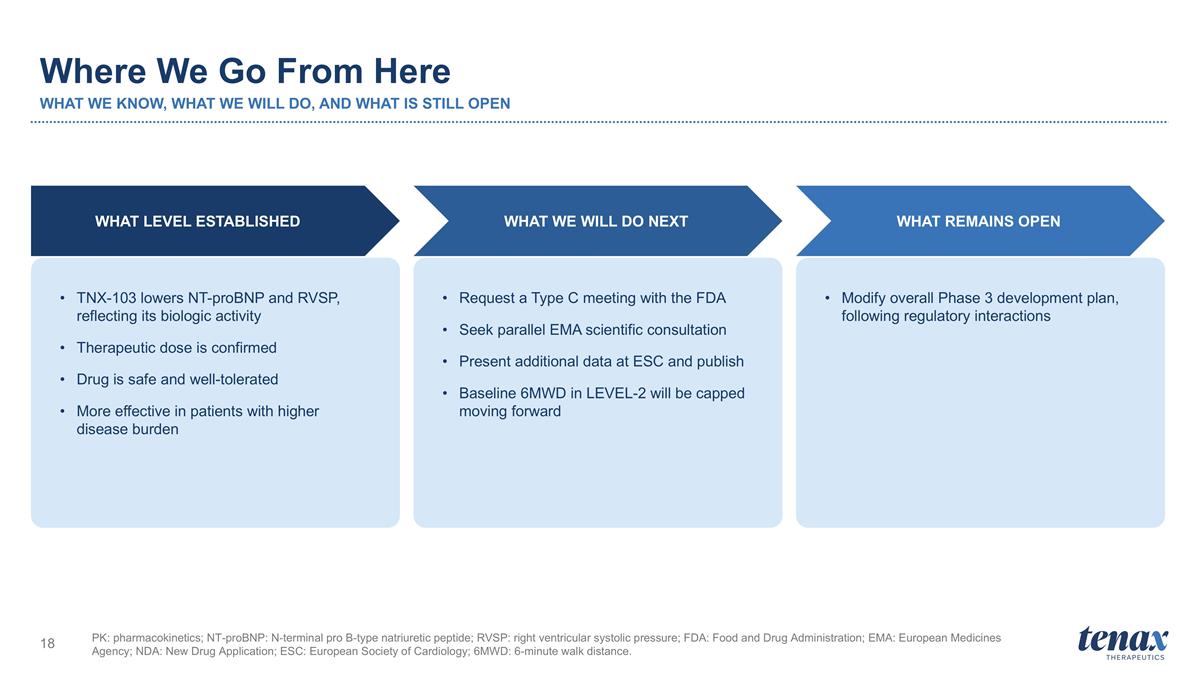
Where We Go From Here WHAT WE KNOW, WHAT WE WILL DO, AND WHAT IS STILL OPEN PK: pharmacokinetics; NT-proBNP: N-terminal pro B-type natriuretic peptide; RVSP: right ventricular systolic pressure; FDA: Food and Drug Administration; EMA: European Medicines Agency; NDA: New Drug Application; ESC: European Society of Cardiology; 6MWD: 6-minute walk distance. TNX-103 lowers NT-proBNP and RVSP, reflecting its biologic activity Therapeutic dose is confirmed Drug is safe and well-tolerated More effective in patients with higher disease burden WHAT LEVEL ESTABLISHED Request a Type C meeting with the FDA Seek parallel EMA scientific consultation Present additional data at ESC and publish Baseline 6MWD in LEVEL-2 will be capped moving forward WHAT WE WILL DO NEXT Modify overall Phase 3 development plan, following regulatory interactions WHAT REMAINS OPEN
Q&A Chris Giordano President and CEO, Tenax Therapeutics Stuart Rich, MD CMO, Tenax Therapeutics Sanjiv Shah, MD Northwestern University Doug Randall CBO, Tenax Therapeutics Tom Staab CFO, Tenax Therapeutics